I have spent years figuring this out. Here is what actually works.
“woven rattan basket”, “neutral linen sofa” ]
Embracing the harmony between nature and home is an increasingly popular trend for modern homeowners who crave peace amidst chaos. Enter Japandi style, a design movement that fuses Japanese rustic minimalism with Scandinavian functionality. This aesthetic is not merely about empty space; it is about curating a living environment that fosters mindfulness, comfort, and deep connection to the natural world. Unlike pure minimalism which can sometimes feel cold or sterile, Japandi infuses warmth through texture, light wood tones, and organic shapes. It invites us to slow down and appreciate the beauty of imperfection, a concept known as wabi-sabi in Japanese culture.
To create an authentic Japandi living room, one must understand the core philosophy behind the style. The Scandinavian influence brings hygge—the concept of coziness and comfort—through soft textiles and warm lighting. The Japanese contribution adds structure, purpose, and respect for materials. Together, they form a design language that prioritizes craftsmanship over mass production. When you enter this space, you should feel grounded. It requires removing the excess and focusing on the essential items that bring joy and utility to your daily routine. Color palettes are typically muted, relying on off-whites, soft greys, warm beiges, and natural wood tones to create a calming atmosphere.
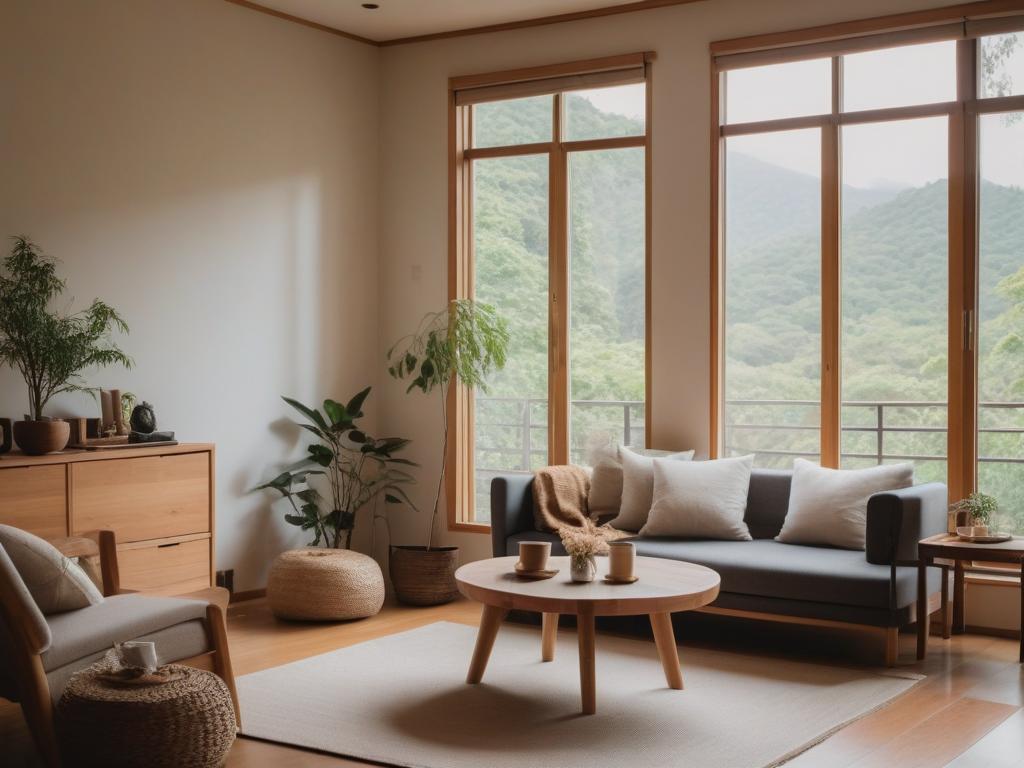
One of the most important pieces of furniture in any living room is the center focal point. In a Japandi design, this should not be a flashy, glossy statement piece that overwhelms the space. Instead, look for natural materials with simple lines. A well-crafted oak coffee table serves as the perfect anchor for your seating area. Oak provides a beautiful grain pattern that tells a story of growth and time, essential for the wabi-sabi aesthetic. It should be low to the ground, encouraging a more intimate setting for conversation and relaxation. When choosing this piece, ensure it has visible joinery rather than hidden screws, highlighting the honesty of construction. Its surface should be matte or lightly finished to maintain the organic feel, allowing dust and natural wear to become part of its character over time.
Storage is another critical component that defines the clutter-free nature of Japandi interiors. Clutter creates mental noise, which contradicts the serene vibe you are trying to achieve. To manage your belongings without sacrificing style, consider integrating storage solutions that add texture rather than visual weight. A woven rattan basket is an ideal solution for hiding remotes, magazines, or blankets while adding a touch of organic warmth. Rattan is lightweight, sustainable, and pairs perfectly with wood and neutral tones. Place one near your sofa to collect everyday items, keeping the surface clear. You can also place them under side tables or use them as decorative planters if they are large enough. The tactile quality of woven fibers contrasts beautifully against smooth wooden floors and soft fabrics, creating visual depth without using color.
Seating is where comfort meets design principles. In traditional minimalist rooms, furniture is often sleek and leather-based, which can feel sterile over time. To bring in the warmth required for Japandi style, you must prioritize textiles that invite touch. A neutral linen sofa is essential for achieving this balance. Linen breathes well and softens with age, making it more comfortable than synthetic alternatives. Choose a color palette that blends seamlessly with walls and wood floors—think oatmeal, soft taupe, or slate grey. The sofa should have clean lines but slightly rounded edges to soften the silhouette of the room. Avoid heavy ornamentation; instead, focus on the quality of the fabric weave and the comfort of the cushions. This allows the room to breathe and changes with the lighting throughout the day, shifting from bright morning sun to soft evening shadows without losing its elegance.
Lighting plays a crucial role in defining the mood of your Japandi living space. Harsh overhead lights should be replaced with layers of softer illumination. Use floor lamps with paper shades or fabric drapes to diffuse light gently across the room. Incorporate wooden fixtures that echo the structure of your furniture. When styling the room, aim for a balance between symmetry and asymmetry. While Japanese design often seeks perfection in proportion, Scandinavian design embraces casual imperfection. You might place two matching side tables on either side of the sofa, but fill them with different objects to create interest.
Adding greenery is also mandatory for a Japandi space. Plants connect us to nature indoors, reinforcing the biophilic design trend that complements this aesthetic. Choose low-maintenance varieties like snake plants or ZZ plants which thrive in lower light conditions if your windows are not fully south-facing. Place them in simple terracotta pots that match the earth tones of the room.
Maintenance and longevity are key selling points for anyone choosing this lifestyle. Because the focus is on quality over quantity, investing in pieces that will last a lifetime is financially and emotionally smart. Regularly dusting your wooden surfaces and vacuuming fabric to keep fibers clean ensures your space remains pristine for years. By prioritizing oak coffee table, woven rattan basket, and neutral linen sofa solutions, you build a foundation that supports a lifestyle of intentional living. Ultimately, the goal is not just to decorate a room, but to cultivate a sanctuary where peace resides and creativity can flourish without distraction.