I have spent years figuring this out. Here is what actually works.
In the ever-evolving world of interior design, few styles have captured the collective imagination quite like Japandi. This powerful aesthetic is a harmonious fusion of Japanese Wabi-Sabi philosophy and Scandinavian Hygge comfort. It strips away the clutter to reveal the inherent beauty of functionality, simplicity, and natural materials. When you step into a space designed in this style, you feel an immediate sense of calm. The goal is not merely to make a room look good, but to create an atmosphere where life feels intentional and grounded. Designing your living room with this philosophy requires patience and a keen eye for quality over quantity.
To truly embrace the Japandi aesthetic, one must first understand its origins. Japanese design emphasizes imperfection, transience, and the natural cycle of things, while Scandinavian design focuses on warmth, minimalism, and practicality. Together, they form a space that is both timeless and livable. The color palette is crucial here; think soft neutrals, warm grays, muted beiges, and rich wood tones. You want to avoid harsh contrasts. Instead, look for subtle variations in texture that invite the eye to rest rather than dart around. This creates a sanctuary from the chaotic world outside, allowing your home to become a retreat where you can truly unwind after a long day.
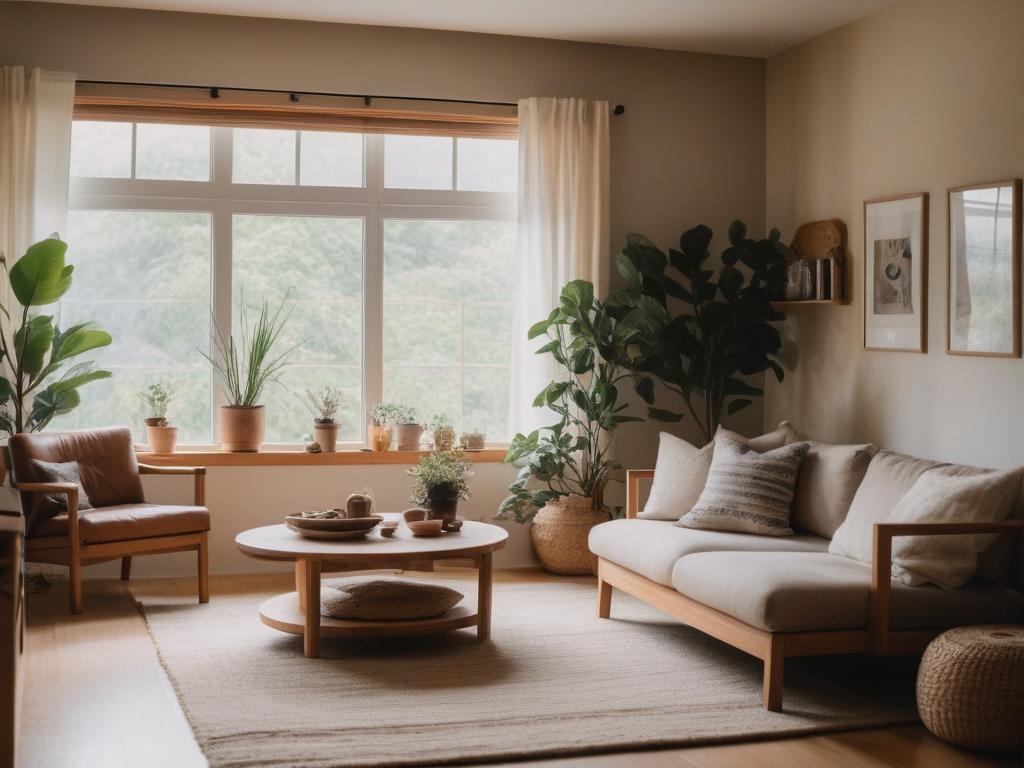
The foundation of any living room is its furniture, and nothing anchors a Japandi space quite like a light oak coffee table. Unlike heavy mahogany or glossy modern glass pieces, an oak table offers a connection to nature with its visible grain and warm undertones. When selecting this piece, look for solid wood construction that shows the natural character of the timber. Avoid anything too perfectly manufactured; slight imperfections are welcomed as part of the story. The table should sit low to the ground, promoting a sense of relaxation when you gather around it for conversation or quiet reflection. It serves as a functional centerpiece without dominating the visual field, allowing light to flow across the floor and preventing the room from feeling cramped.
Equally important is what lies beneath your feet. The floor defines the boundaries of the space, so using a woven jute area rug is essential for grounding the room. Jute is sustainable, durable, and adds a tactile roughness that complements the smoothness of polished wood floors or soft leather sofas. These rugs typically feature neutral earth tones, often with subtle color variations from natural harvesting processes. They bring a textural layer that feels organic underfoot. Unlike synthetic fibers, jute breathes well, making it an environmentally friendly choice that aligns with the sustainability values intrinsic to Japandi design. Place this rug underneath your seating arrangement to visually define the conversation area while adding warmth and comfort to the hard surfaces of the rest of the room.
Lighting plays a pivotal role in setting the mood, but it should be subtle rather than overpowering. A well-placed matte black iron floor lamp offers both functionality and sculptural interest. The matte finish absorbs light rather than reflecting it harshly, creating a soft glow that is perfect for evening relaxation. Unlike chrome or brass finishes which can feel cold or industrial in this style, matte black provides a stark yet elegant contrast against lighter walls and wood tones. Positioning the lamp next to an armchair creates a dedicated reading nook. Furthermore, the simplicity of the design ensures it does not compete with other elements but instead supports the serene atmosphere you are trying to cultivate.
Textiles and soft furnishings add another layer of comfort that defines the Hygge side of this fusion. Linens, wool, and cotton should be your go-to materials for cushions and throws. These natural fabrics age gracefully and become softer with use. When selecting pillows, opt for muted colors like sage green, terracotta, or warm oatmeal. Avoid bright patterns; instead, look for subtle textures such as boucle or linen weave. This layering technique ensures that the room feels cozy during colder months while remaining breezy when the air is warm. The tactile experience of running your hand over a linen throw contributes significantly to the overall feeling of well-being within the space.
Sustainability is at the heart of the Japandi lifestyle, so consider how you source your decor items. Look for pieces that are ethically made and locally crafted whenever possible. This reduces the carbon footprint of your home design and supports artisans who use traditional techniques. Every item should have a purpose or a deep sentimental value. If an object does not bring joy or utility to your daily life, it is better to leave it out. Minimalism can feel cold if not balanced with warmth, so ensure you have enough soft textures and natural elements to make the space feel inviting rather than sterile.
Finally, consider how you care for these materials over time. Natural wood requires occasional polishing to maintain its shine, while jute should be vacuumed regularly to keep dust at bay. Incorporate living greenery that thrives in your specific lighting conditions to bring a touch of life indoors. Succulents or snake plants work well, but large leafy trees like fiddle figs add drama without clutter. Maintenance is part of the ritual; tending to your plants and caring for your wooden table becomes a mindfulness practice in itself. By embracing this lifestyle, you are not just decorating a room; you are curating a way of living that values presence, quality, and peace above all else.
Conclusion: A Lasting Legacy of Simplicity
In summary, creating a Japandi living room is about making conscious choices that prioritize longevity and emotional connection over fleeting trends. By focusing on natural materials like oak and jute, and integrating functional lighting such as iron lamps, you build a space that serves your lifestyle well for years to come. The combination of beauty and utility ensures that your home remains a source of solace rather than stress. Remember, the goal is to find joy in the simplicity of everyday objects. As you move forward with your design journey, keep the philosophy of less but better in mind, ensuring that every item on your shelf serves the greater purpose of creating tranquility and harmony within your sanctuary.